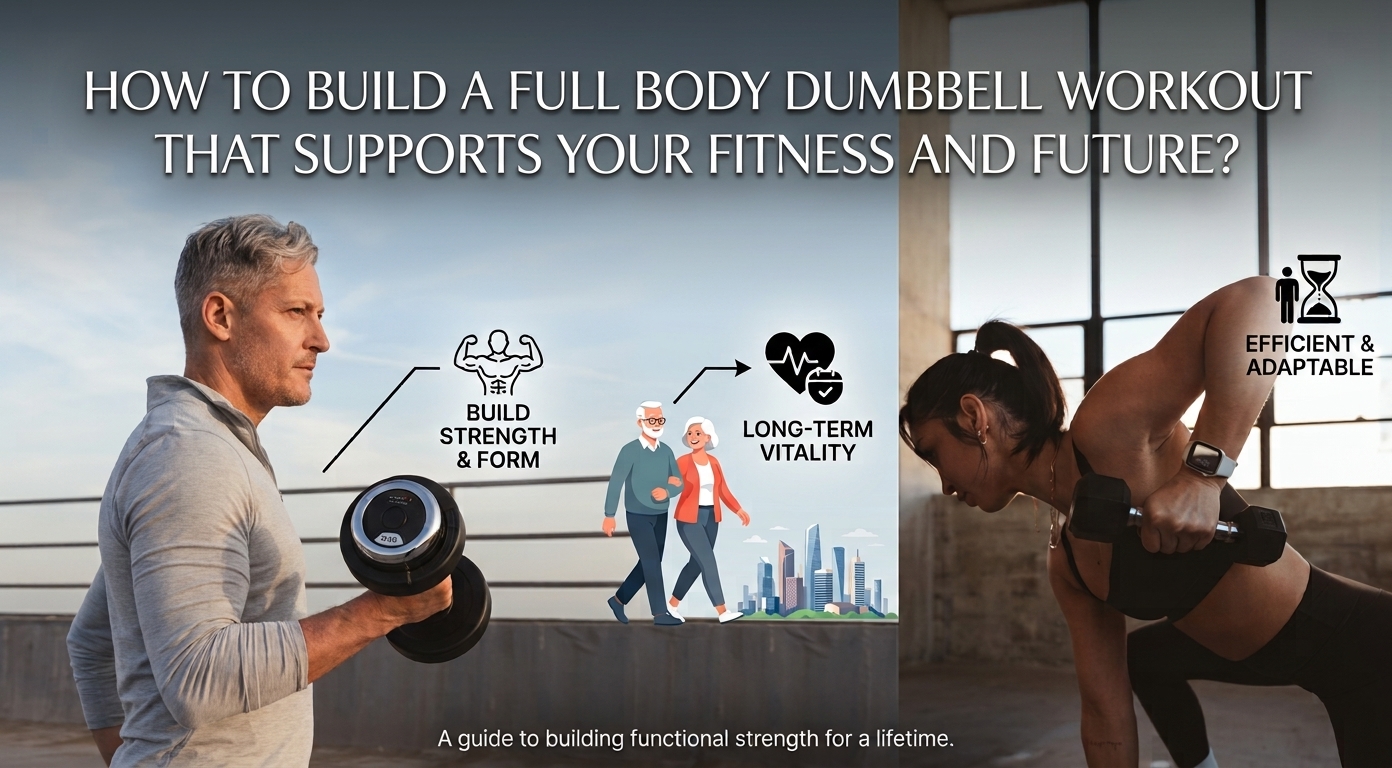
Do you want to get stronger but struggle to stay consistent with your workouts? Many people start exercising with big goals, then lose motivation when routines feel complicated. Fortunately, you do not need a fully equipped gym to build strength and improve fitness.
A well-planned full body dumbbell workout can target major muscle groups with simple equipment. You can also adjust exercises according to your fitness level, schedule, and goals. Whether you train at home or in a gym, dumbbells make strength training more practical. At the same time, building physical strength can support the energy and confidence needed for great future jobs and long-term goals.
Common Problems That Make Strength Training Difficult
Many beginners face the same problems when they create a workout routine. They may choose too many exercises or focus only on visible muscles. Another common issue involves spending too much time on isolated movements. For example, someone may perform several arm exercises while ignoring their legs, back, and core.
People also struggle with consistency. A workout lasting 90 minutes can become difficult when work, studies, family, or responsibilities demand attention. Poor exercise selection creates another problem. Without a clear plan, you may repeat the same movements and miss important muscle groups.
Why Your Workout Plan Matters
Your body works as a connected system. Strengthening different muscle groups together can improve everyday movement and create balance. Dumbbells provide useful options for pushing, pulling, squatting, hinging, and carrying movements. These patterns cover many basic movements used in daily life.
For example, squats work your lower body, while rows train your back. Pressing movements train your shoulders and chest. Meanwhile, core exercises can develop stability. Your shoulders also deserve balanced attention. Adding front delt workouts can strengthen the anterior deltoid, which supports pressing and lifting movements.
However, more exercises do not always produce better results. Good form, suitable resistance, recovery, and consistency matter just as much.
Build a Simple Full Body Dumbbell Workout
A practical routine should cover major movement patterns without becoming overwhelming. Start with five or six exercises, then gradually increase the challenge.
1. Dumbbell Squats
Hold the dumbbells beside your body or near your shoulders. Lower yourself into a controlled squat, then push through your feet. Squats primarily train your legs and glutes. They also develop lower-body strength that supports everyday activities.
2. Dumbbell Rows
Place one hand on a stable surface and pull the dumbbell toward your torso. Keep your back controlled instead of using momentum. Rows target your upper back and complement pressing exercises in a balanced routine.
3. Dumbbell Press
A dumbbell chest press trains your chest, shoulders, and triceps. Perform it on a bench or another stable exercise setup. Keep the movement controlled and choose a weight that lets you maintain proper technique.
4. Front Delt Work
Simple shoulder raises can become part of your front delt workouts. Lift the dumbbells in front of your body without swinging them. Your front delts already work during pressing exercises. Therefore, you do not need many additional sets.
5. Romanian Deadlifts
Hold the dumbbells in front of your thighs and push your hips backward. Keep your spine controlled throughout the movement. Return to the starting position by driving your hips forward. This movement trains your hamstrings and glutes. It also teaches an important hip-hinge pattern.
6. Dumbbell Core Exercise
Finish with a controlled core movement, such as a weighted dead bug or suitcase carry. Choose an option that matches your ability. This creates a balanced full body dumbbell workout without requiring dozens of different exercises.
Make Your Routine Easier to Maintain
The best routine remains one you can actually follow. Start with two or three weekly strength-training sessions instead of exercising every day. You can also track your weights, repetitions, and sets. When an exercise becomes easier, gradually increase resistance or repetitions. Recovery matters too. Give your muscles enough time to recover between challenging sessions. Sleep, hydration, and balanced nutrition can also support training. Most importantly, avoid comparing your progress with someone who has trained for years. Instead, focus on steady improvement.
When a Premium Fitness Solution Makes Sense
As your experience grows, basic equipment may start feeling limiting. Better-quality dumbbells, adjustable equipment, workout programs, or professional coaching can improve convenience. This is where Future can fit naturally into a long-term fitness routine. A structured fitness solution can help organize training around your goals and lifestyle. The value does not simply come from having more equipment. Instead, it comes from having a clearer approach that reduces guesswork. A thoughtful approach can also support a busy lifestyle. When preparing for work, education, or great future jobs, healthy habits can support long-term energy and discipline.
Benefits of Upgrading Your Approach
Investing in better fitness equipment or structured guidance can offer several practical advantages.
- More structure: You know what to train and when to train.
- Better consistency: A clear plan makes workouts easier to follow.
- Improved progression: Tracking performance helps you recognize genuine progress.
- Greater convenience: The right equipment or guidance can save time.
- Better balance: You can avoid focusing too heavily on one muscle group.
- Long-term motivation: Visible progress can make continuing easier.
You do not need the most expensive fitness solution to become stronger. However, the right upgrade can remove obstacles that interfere with your routine.
Conclusion
Building strength does not require a complicated fitness lifestyle. A consistent full body dumbbell workout can train major muscle groups while keeping your routine simple. Focus on compound movements, add sensible front delt workouts, and use proper technique. Increase difficulty gradually while creating a routine that fits your schedule. Your health also contributes to preparing for the future. Whether studying, developing skills, or pursuing great future jobs, healthy habits can support long-term energy and discipline.
If you want more structure, exploring Future may help make your training more organized and sustainable. The smartest approach does not always involve doing more. Instead, choose a plan you can follow consistently and improve over time.