Have you ever upgraded your speakers, connected a new amplifier, and still felt that something was missing? The sound may be loud but flat, detailed but lacking warmth, or powerful without the clarity you expected. Choosing an amplifier can be confusing because specifications do not always explain how a system will sound in a real room.
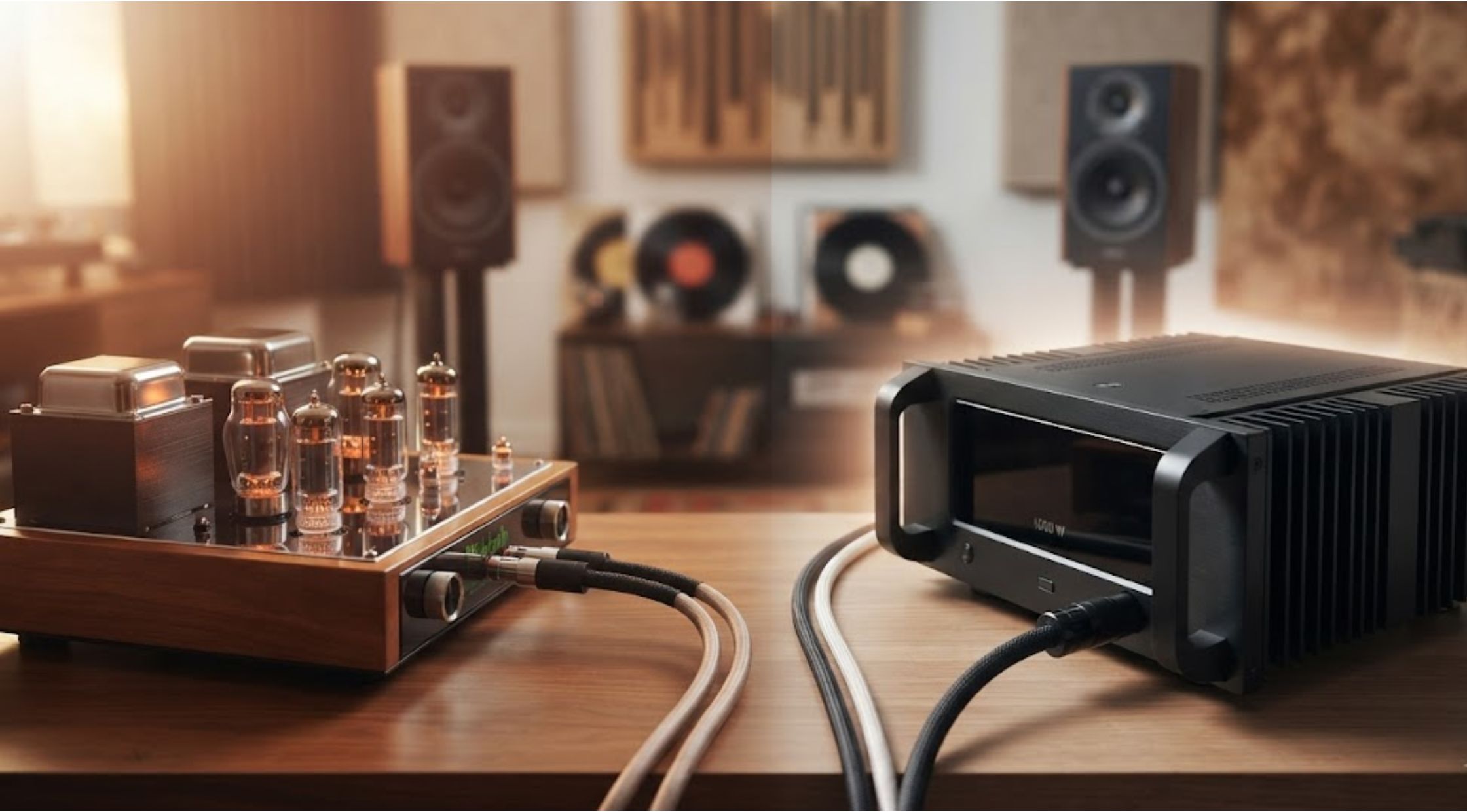
Two popular approaches often come up during the search: tube amplification, known for its warm and character-rich sound, and high-power amplification, such as an ampli 1000 watt, designed to deliver strong output and greater headroom.
The right choice depends on more than power. Your speakers, listening habits, room size, music preferences, and desired sound character all play an important role. Understanding these factors can help you build an audio system that sounds balanced rather than simply loud.
Why Choosing an Amplifier Can Feel So Complicated
Many buyers begin by comparing wattage. It is easy to assume that more watts automatically mean better sound, but amplifier performance is more complex.
A high-powered amplifier may provide excellent volume and control, yet it may be unnecessary for efficient speakers in a small room. On the other hand, an amplifier with modest power may sound impressive with compatible speakers but struggle when asked to fill a large space.
Common problems include:
- Sound that becomes harsh at higher volumes
- Weak bass or limited speaker control
- Distortion when the system is pushed
- An amplifier that does not match the speakers
- Paying for more power than the setup needs
- Choosing equipment based only on specifications
These issues are often caused by poor system matching rather than a lack of expensive equipment.
Understanding Tube Amplification
Tube amplification uses vacuum tubes to increase and shape an audio signal. Many listeners enjoy the smooth, warm, and detailed character associated with tube-based designs.
The sound of a tube amplifier can vary depending on the circuit, tubes, speakers, and listening environment. Some systems may produce a rich midrange and a softer presentation, while others can sound highly detailed and dynamic.
Tube amplifiers are often appreciated for:
- Natural-sounding vocals
- Smooth high frequencies
- A warm and engaging presentation
- Strong musical character
- A visually distinctive design
However, tube amplification may require more attention than some modern solid-state systems. Tubes can wear over time, generate heat, and occasionally need replacement. Buyers should also consider output power and speaker compatibility.
A tube-based system can be a rewarding choice when sound character and listening experience are more important than maximum output.
What Does an Ampli 1000 Watt Offer?
An ampli 1000 watt is designed to provide substantial power, but the label alone does not reveal the full picture. Power ratings may be measured differently depending on the manufacturer, load, channel configuration, and test conditions.
High output can be useful for:
- Large rooms
- Less-sensitive speakers
- High-volume listening
- Home theater systems
- Powerful bass performance
- Audio setups that require additional headroom
More power can help an amplifier control speakers during demanding musical passages. It may also provide cleaner performance at higher listening levels when the amplifier is properly designed and matched.
However, an ampli 1000 watt is not automatically the best choice for every home. In a small room with efficient speakers, a lower-powered amplifier may already provide more than enough volume.
The key is to consider usable performance rather than focusing only on the largest number.
What Causes Weak or Unbalanced Sound?
If an audio system sounds disappointing, the amplifier may not be the only reason. Several factors can affect performance.
Speaker Sensitivity
Speaker sensitivity indicates how efficiently a speaker converts amplifier power into sound. More sensitive speakers may produce higher volume with less power, while less-sensitive models may benefit from stronger amplification.
Impedance Compatibility
Speakers place an electrical load on an amplifier. If the amplifier is not designed to work comfortably with that load, performance may suffer.
Room Size and Acoustics
Hard surfaces, open layouts, furniture, and room dimensions can influence bass, clarity, and perceived volume. An expensive amplifier cannot completely solve poor room acoustics.
Source Quality
Low-quality audio files, weak streaming settings, or poorly configured source equipment may limit the system before the signal reaches the amplifier.
Practical Steps for Choosing the Right Amplifier
Before buying, start with your actual listening needs.
Consider Your Listening Space
A small bedroom or office generally requires less power than a large open-plan living area. Think about the distance between your speakers and listening position.
Check Your Speaker Specifications
Review sensitivity, impedance, and recommended amplifier power. These details can help you narrow down suitable options.
Decide What Matters Most
If you enjoy warmth, rich vocals, and a distinctive sound character, tube amplification may be appealing. If you need high output, strong speaker control, and broad system flexibility, a powerful solid-state design may be more suitable.
Avoid Buying Based Only on Wattage
An ampli 1000 watt may be useful in the right setup, but it is not necessary for every listener. Sound quality, circuit design, power delivery, and compatibility can matter as much as the headline rating.
A Modern Approach to Flexible Audio
Many listeners want a system that combines strong performance with practical features. Modern amplifier designs can offer compact sizes, efficient operation, multiple inputs, and reliable power without requiring a large traditional audio rack.
AIYIMA offers amplifier solutions designed for listeners who want to build capable audio systems without unnecessary complexity. Depending on the model, buyers may find options suited to desktop audio, home listening, speaker upgrades, or more powerful setups.
When comparing AIYIMA products, consider your speakers, room size, desired connections, and preferred listening style. A well-matched amplifier can often provide a more satisfying improvement than simply choosing the highest power rating.
Benefits of Upgrading Your Amplification
A suitable amplifier upgrade can improve the entire listening experience.
Better Clarity
A quality amplifier may reproduce instruments and vocals with greater separation, helping complex music sound less crowded.
More Controlled Bass
Adequate power and good speaker control can produce tighter, more defined low frequencies.
Greater Listening Comfort
A balanced system can remain clear at both low and higher volumes, reducing the need to constantly adjust settings.
More Flexibility
Modern amplifiers may support multiple sources, making it easier to connect televisions, computers, music players, or other equipment.
A System That Fits Your Lifestyle
Compact and efficient designs can deliver strong performance while taking up less space.
For listeners looking to improve an existing setup, AIYIMA may offer a practical path toward better sound without rebuilding the entire system.
Tube Amplification or High Power: Which Should You Choose?
The answer depends on your priorities.
Choose tube amplification if you value warmth, musical character, and an engaging listening experience. It may be especially appealing for vocal music, jazz, acoustic recordings, and relaxed listening.
Consider an ampli 1000 watt if you need high output, greater headroom, or strong performance in a large room. It may also suit demanding speakers or systems designed for higher listening levels.
Some listeners may prefer a modern amplifier that balances clean power, compact design, and convenient connectivity. In that case, exploring the wider range from AIYIMA can help you compare solutions based on your specific setup.
Conclusion: Build a System Around Your Needs
The best amplifier is not always the most powerful or the most expensive. It is the one that works well with your speakers, room, and listening habits.
Whether you are drawn to the warmth of tube amplification or the output potential of an ampli 1000 watt, focus on compatibility, sound quality, and real-world performance.
Take time to understand your speakers, consider how you listen, and choose equipment that supports the experience you want. A carefully matched amplifier can make music feel clearer, fuller, and more enjoyable—without adding unnecessary power or complexity to your system.